Small Spring Garden Ideas That Look Beautiful With Almost No Space
Spring has a way of making us want to grow something, even if we barely have room for a chair on the balcony. The good news is you don’t need a big yard to enjoy flowers, herbs, and fresh greenery.
This post may contain affiliate links, which means I’ll receive a commission if you purchase through my link, at no extra cost to you. Please read full disclosure here.

With a few smart choices, a tiny patio, balcony, front step, or even a sunny windowsill can become a fresh spring garden. It’s all about using vertical space, choosing the right plants, and keeping things simple enough to actually maintain.
Here’s how to create a beautiful, low-maintenance spring garden in almost no space, so you get color and life without feeling overwhelmed.
Start Small: Choosing the Right Space and Containers


Before you buy a single plant, decide where your spring garden will live. Even a sliver of outdoor space or a bright window can be enough if you use it intentionally.
- Look for spots that get 4–6 hours of light (balcony, steps, windowsill)
- Notice where wind hits hardest and where rain actually reaches
- Measure your space so you don’t overcrowd it with oversized pots
Containers are your best friend in a small garden. They’re portable, flexible, and perfect for renters.
- Use a mix of sizes: one or two larger pots, plus smaller ones for accents
- Choose lightweight materials like resin or plastic for balconies
- Pick pots with drainage holes to prevent root rot
- Add matching saucers if your space is over a deck or indoor floor


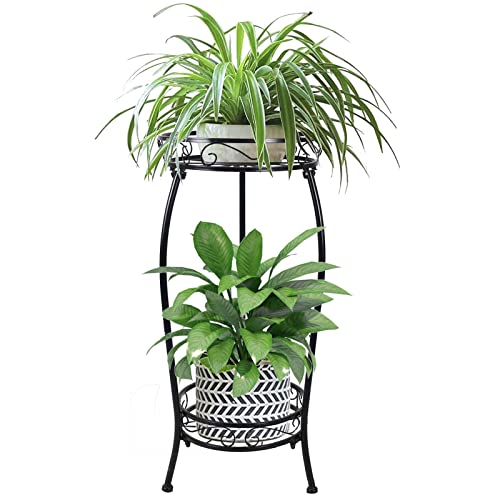
If your space is truly tiny, think vertical: a railing planter, a hanging basket, or a few pots stacked on a narrow plant stand can create a lush look without taking up floor space.
Action tip: Walk your space at morning, midday, and late afternoon to check light and wind, then choose one main area as your “mini garden zone” before buying any containers.
Pick Easy Spring Plants That Practically Grow Themselves

In a small garden, every plant has to earn its spot. Choose varieties that are forgiving, compact, and happy in containers so you get maximum color with minimal effort.
For sunny spots:
- Compact herbs: basil, thyme, chives, parsley
- Spring color: pansies, violas, mini daffodils, tulips in pots
- Trailing plants: ivy, trailing lobelia, sweet alyssum
For part shade or low light:
- Hardy greens: lettuce mixes, spinach, arugula
- Shade lovers: ferns, hostas in containers, begonias
- Low-maintenance foliage: pothos, philodendron (if protected from cold)
To keep things simple, repeat just a few types of plants instead of buying one of everything. Repetition makes a small garden look intentional rather than cluttered.
- Choose 2–3 main colors and stick to them (for example, purple, white, and soft yellow)
- Mix foliage and flowers for interest even when blooms fade
- Add one “hero” plant in a slightly larger pot to anchor the space
Action tip: Start with no more than 5–7 total plants for your first small spring garden, focusing on compact, container-friendly varieties labeled as “easy care” or “good for beginners.”
Go Vertical: Walls, Railings, and Hanging Space


When floor space is limited, your walls, railings, and overhead areas become prime real estate. Vertical gardening lets you create a lush look without sacrificing room to move.
Easy vertical ideas:
- Railing planters for herbs or trailing flowers
- Wall-mounted pockets or felt planters for small herbs and succulents
- Narrow ladder shelves to stack pots without widening your footprint
Hanging planters are perfect when you don’t have much ground space.
- Hang one or two baskets at different heights for a layered look
- Use lightweight plastic or rattan-style pots to avoid heavy loads
- Choose trailing plants like ivy, petunias, or string of pearls (if frost-free)
If you’re renting, look for solutions that don’t require drilling into walls.
- Over-the-railing hooks for planters
- Freestanding plant ladders or étagères
- Adhesive hooks rated for outdoor use for lightweight hanging pots
Action tip: Pick one surface—wall, railing, or overhead—and dedicate it to vertical planting, keeping the rest of your space clear so your small garden feels open, not cramped.

Create a Simple Layout That Feels Calm, Not Cluttered

In a small garden, layout makes the difference between peaceful and chaotic. Grouping plants thoughtfully helps your space feel designed, not like a random collection of pots.
Try these layout tricks:
- Cluster pots in groups of three for a more natural look
- Place taller plants at the back and trailing ones at the edges
- Leave a clear path or open spot for seating to avoid a crowded feel
Think about how you’ll actually use the space.
- Reserve room for a chair, bench, or small stool
- Keep the area near your door or main step free of large containers
- Use one slightly larger pot as a focal point near eye level
Color and texture also play a big role in how calm your garden feels.
- Use similar pot colors for a cohesive look (all terracotta, all white, or a limited palette)
- Mix smooth, glossy leaves with delicate, airy plants
- Repeat at least one plant or color in different spots to tie everything together
Action tip: Arrange your empty pots first, step back, and adjust until the layout feels balanced, then add soil and plants so you’re not trying to move heavy containers later.
Keep Maintenance Light: Watering, Feeding, and Quick Cleanups

A small spring garden should be easy to care for, not another demanding chore. With a few habits and tools, you can keep it looking fresh in just a few minutes a week.
Make watering simple:
- Use a small watering can or hose with a gentle spray setting
- Group thirsty plants together so you know they need the same schedule
- Check soil with your finger; water when the top inch feels dry
Boost plant health without overcomplicating things.
- Mix slow-release fertilizer granules into potting soil at planting time
- Top up with a liquid feed once or twice a month in spring
- Remove faded flowers (deadhead) to encourage more blooms
Quick tidy-ups go a long way in a tiny space.
- Snip off yellowing leaves and spent stems weekly
- Sweep or wipe down the area to remove fallen petals and soil
- Rotate pots occasionally so all sides get light and grow evenly
Action tip: Add a “garden minute” to your weekly routine—pick one day to water, tidy, and feed, and set a 15-minute timer so care feels manageable and consistent.
Conclusion
A beautiful spring garden doesn’t require a big backyard—just a bit of light, a few smart containers, and plants that fit your space and lifestyle. By going vertical, choosing easy-care varieties, and arranging everything with intention, you can turn even a small balcony, porch, or windowsill into a fresh, calming retreat.
Start with one corner, a handful of plants, and a simple layout. As you see what thrives and what you enjoy most, you can slowly build out your small spring garden into a space that feels welcoming, personal, and surprisingly lush, no matter how little room you have.

