Desk Organization: Simple Systems To Clear Clutter And Boost Focus
A cluttered desk doesn’t just look messy. It quietly drains your focus, slows you down, and makes even simple tasks feel heavier than they need to be.
This post may contain affiliate links, which means I’ll receive a commission if you purchase through my link, at no extra cost to you. Please read full disclosure here.
The good news: you don’t need an Instagram-perfect workspace to be productive. With a few practical systems and small daily habits, you can turn your desk into a clear, calm command center that actually supports your work.
Start With a Clean Slate


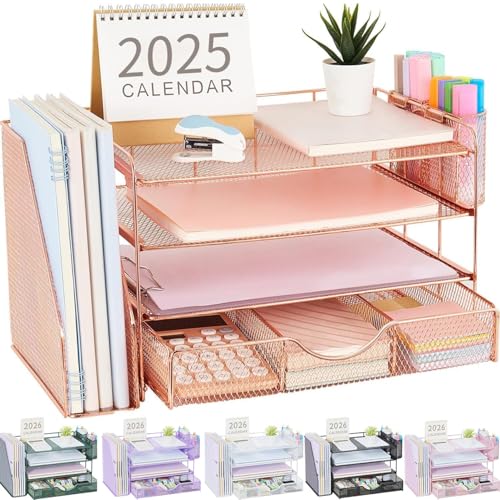

Before you buy organizers or label anything, start by resetting your desk. You need to see the surface to decide what truly belongs there.
- Remove everything from your desk, including drawers
- Create three piles: “keep on desk”, “store nearby”, and “donate/trash”
- Be ruthless with duplicates and outdated papers
- Wipe down your desk, monitor, keyboard, and accessories
As you sort, ask whether each item helps you do today’s work. If not, it probably doesn’t belong in prime desk space.
Action tip: Schedule a 20-minute “desk reset” on your calendar this week and fully clear your workspace once.
Design a Smart Desk Layout

Once the surface is clear, design a layout that supports how you actually work. Think in zones rather than random placement.
- Keep daily essentials within arm’s reach (laptop, notebook, favorite pen, water)
- Place reference items slightly farther away (file holder, planner, books)
- Use vertical space with monitor stands, shelves, or desk risers
- Keep one clear “working zone” for writing or reading
Your goal is to reduce friction. Every time you reach for something and find it easily, your brain gets a tiny break from decision fatigue.
Action tip: Rearrange your desk into three zones today: “immediate work”, “support tools”, and “storage” so everything has a logical home.
Tame Paper, Cables, and Small Items

Most desk clutter comes from three troublemakers: paper, cables, and tiny items that migrate everywhere. Create simple rules for each.
- For paper: use a vertical file or tray with 3 slots (“in”, “to process”, “to file”)
- Go digital where possible: scan receipts and notes instead of stacking them
- For cables: use clips, a cable box, or velcro ties to keep them routed and labeled
- For small items: use a drawer organizer with clear compartments
Give every loose object a specific parking spot. The easier it is to put things away, the more likely you are to stay organized without thinking about it.
Action tip: Choose your biggest nuisance (paper, cables, or small items) and set up one simple system for it before the end of the day.
Build Quick Daily and Weekly Habits

Organization is less about one big clean-up and more about tiny habits that keep chaos from creeping back. Aim for short, repeatable routines.
- End-of-day 5-minute tidy: return items to their spots and clear the surface
- Weekly review: sort papers, wipe down the desk, and restock supplies
- Adopt a “one in, one out” rule for mugs, notebooks, and desk gadgets
- Keep a small bin nearby so trash never piles on the desk itself
These micro-habits prevent clutter from snowballing and make your workspace easier to maintain over time.
Action tip: Set a daily reminder for a 5-minute “desk shutdown” routine, and commit to it for the next seven workdays.
Add Personal Touches Without Overdoing It
A well-organized desk should still feel like your space, not a sterile showroom. The key is to be intentional, not excessive.
- Choose 1–3 personal items: a photo, small plant, or meaningful object
- Use matching or neutral organizers to create a cohesive look
- Add a small desk plant to boost mood and visual calm
- Avoid turning decor into clutter by rotating items seasonally
The right amount of personalization makes your desk inviting while keeping the focus on work, not on visual noise.
Action tip: Curate your desk decor to a maximum of three personal items and remove anything that doesn’t genuinely make you feel calmer or happier.

Conclusion
An organized desk is less about perfection and more about intentional systems that support how you work. By clearing the clutter, designing smart zones, taming problem areas, and layering in simple habits, you create a workspace that feels lighter and helps you focus.
Start small: reset your desk once, set up one new system, and commit to a 5-minute daily tidy. With consistent, low-effort maintenance, your desk will stop being a source of stress and start functioning as a reliable, calm base for your best work.